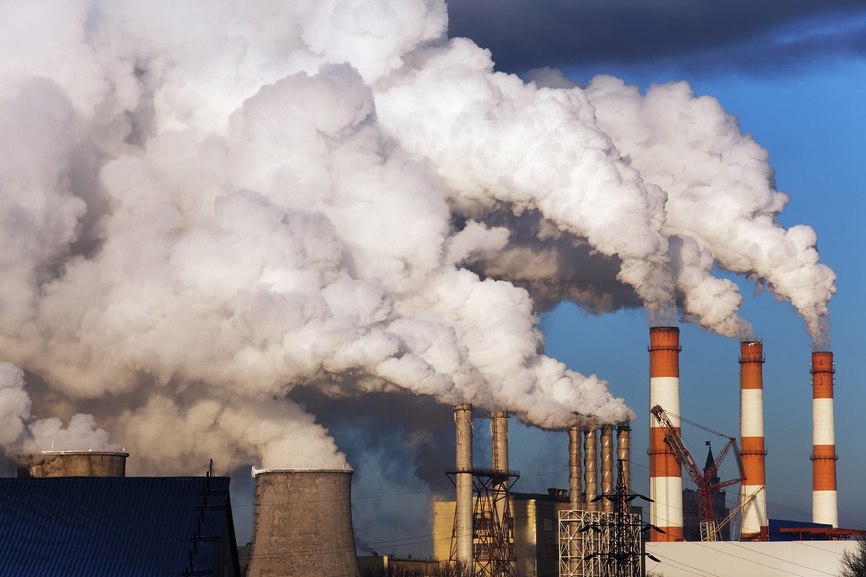
The harsh climate is becoming harsher. The UN Climate Change Summit will take place in New York on 23 September 2019. The unprecedented heat waves across Europe this summer are a poignant reminder that climate change is being felt everywhere and has real consequences for people's lives and the environment on which we depend. But there is also growing recognition that ambitious solutions are now available to transition to a cleaner, more sustainable economy and keep the rise in average global temperatures below the target of 2°C above pre-industrial levels set in the Paris Agreement. To accelerate the necessary transformation, UN Secretary-General António Guterres is calling for a focus on concrete, realistic and ambitious action plans at the 2019 UN Climate Change Summit. UNECE will unveil a bold new campaign at the Summit to promote powerful action in cities through a simple but highly effective solution: planting trees. The Caucasus and Central Asia is a region with a harsh climate and fragile ecosystems, undergoing a period of rapid social and economic transformation, which has not yet been widely represented in global discussions on climate change. The landlocked region is rapidly improving its infrastructure to become more integrated into the global economy, but faces a number of environmental challenges. This provides a significant opportunity to green the region's landscapes and infrastructure, enhancing the contribution to joint action. The UNECE/FAO Forestry and Timber Section has a strategy to support the countries of the Caucasus and Central Asia in greening their landscapes and infrastructure. Once fully implemented, the strategy will reduce greenhouse gas emissions, increase climate resilience, improve rural livelihoods and biodiversity and reduce pollution, strengthening the foundations of sustainable development. Restoring degraded lands, including through reforestation, can make a significant contribution to climate change mitigation. UNECE has already supported Armenia, Azerbaijan, Georgia, Kazakhstan, Kyrgyzstan, Tajikistan and Uzbekistan in their commitment to restore around 3 million hectares of degraded land by 2030 as part of the Bonn competition.
The harsh climate is becoming harsher.