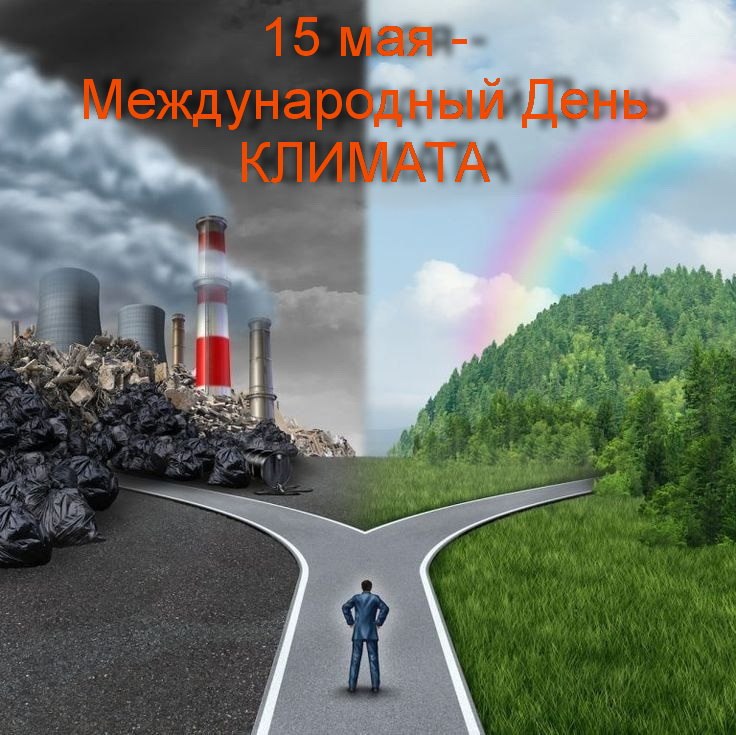
May 15 is International Climate Day. “Climate change is the central issue of our time, and its solution represents a turning point in our history,” UN Secretary-General Earth's climate describes the normal weather conditions found in a particular region, including factors such as normal air temperature, humidity, wind and precipitation at different times of the year. All these indicators are influenced by a lot of factors: latitude, altitude and location of the land in relation to the ocean. Today, all parts of the globe celebrate International Climate Day. The purpose of the environmental date is to draw humanity’s attention to one of the main challenges of our time – global warming, which is caused by humans. Scientists have repeatedly proven that since the Industrial Revolution, the climate has been increasingly influenced by the anthropogenic factor. Scientific evidence tells us that this has happened more than once in Earth's history. Yes, the climate has changed in the past, and even more than now. But never before has it changed so quickly. There are several main reasons why greenhouse gases are increasing: • burning of fossil fuels (oil, coal and gas) in power plants and internal combustion engines; • reduction of forest area (including due to fires); • decomposition of organic waste in landfills; • agriculture (especially livestock farming). • Climate change is destroying the favorable conditions in which our civilization developed. Everything on which our lives depend is under threat: weather, agriculture, biodiversity, infrastructure. Some parts of the world experience hurricanes and floods much more often, while others experience droughts. • Due to rising sea levels, entire cities and countries may go under water, and other territories will become uninhabitable due to the heat. • Due to problems with food and drinking water, the number of refugees and armed conflicts may increase. • Aridity is increasing in most of the agricultural zone of Uzbekistan. People's health is harmed by more frequent heat waves, heavy rainfall in the spring causes more frequent mudflows and landslides, and there is a decrease in air quality due to more frequent dust storms and dust transport from the bottom of the Aral Sea..
May 15 is International Climate Day.